
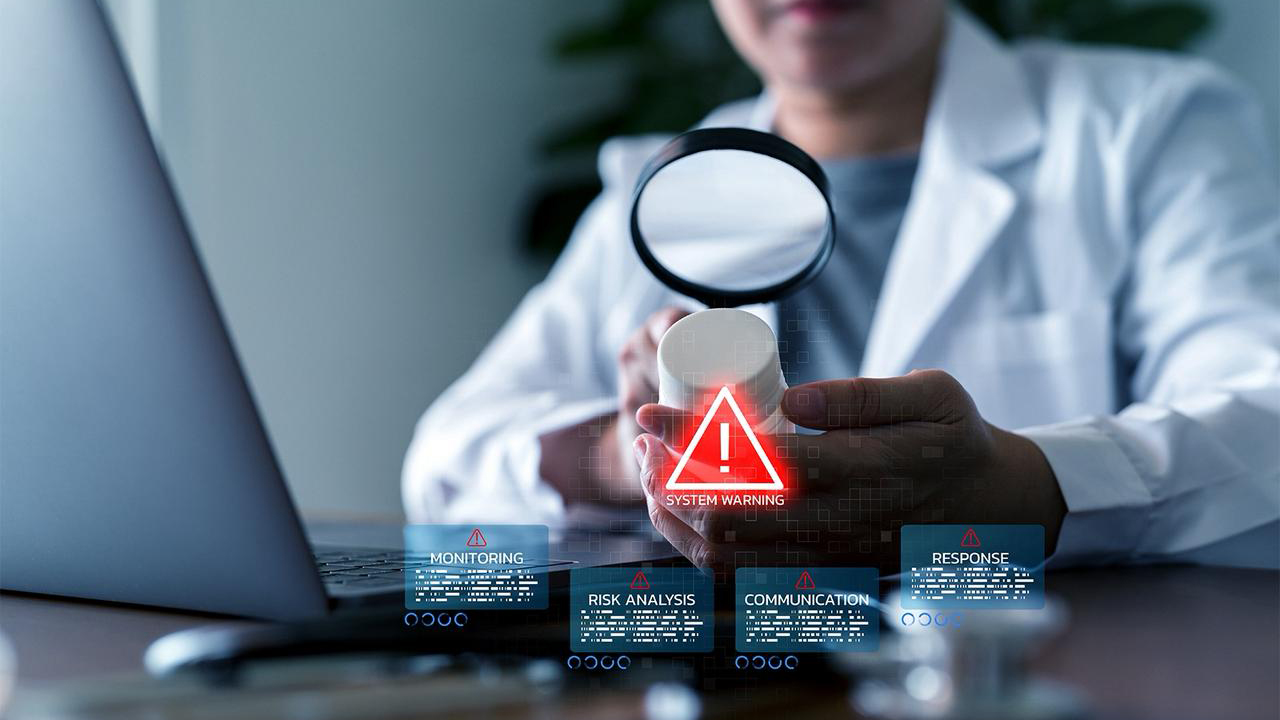
The Real Impact of Monitoring Drug Safety on Public Health
Medicines are essential for preventing and treating diseases, but no medicine is entirely free from risk. While clinical trials provide valuable safety and efficacy data before approval, they cannot fully predict how a drug will perform when used by large and diverse patient populations.
This is where pharmacovigilance becomes crucial. Monitoring drug safety helps detect, assess, and prevent adverse reactions associated with medicines after they reach the market. By continuously evaluating safety data, healthcare systems can ensure that medicines remain safe and effective throughout their lifecycle.
Why Drug Safety Monitoring Matters
Once a medicine receives regulatory approval, it may be prescribed to millions of patients with different medical conditions and treatment histories. Real-world use can reveal new information about potential side effects or safety risks.
Drug Safety Monitoring
Drug safety monitoring helps:
- Detect adverse drug reactions (ADRs) early
- Analyze Individual Case Safety Reports (ICSRs)
- Identify emerging safety signals
- Support regulatory safety decisions
Through continuous monitoring, healthcare authorities and pharmaceutical companies can quickly respond to potential risks and protect patients.
Safety Signals and Regulatory Action
One of the core activities in pharmacovigilance is safety signal detection. A safety signal indicates a possible link between a medicine and an unexpected adverse effect.
When such signals are detected and confirmed, regulatory authorities may take steps such as:
- Updating product safety information
- Issuing safety warnings for healthcare professionals
- Restricting certain uses of a medicine
- In rare cases, suspending or withdrawing a product from the market
These actions ensure that the benefit–risk balance of medicines remains favorable for patients.
Risk Management and Patient Protection
Monitoring drug safety also involves implementing strategies to minimize risks. Pharmaceutical companies work with regulatory agencies to develop Risk Management Plans (RMPs) and conduct ongoing safety studies.
These measures may include:
- Safety monitoring programs
- Post-marketing safety studies
- Educational materials for healthcare professionals
- Continuous safety data analysis
Such efforts help reduce medication-related risks and improve overall patient safety.
Transparency and Public Trust
Transparent communication plays an important role in pharmacovigilance. Timely safety reporting and clear communication between pharmaceutical companies, healthcare professionals, and regulatory authorities ensure that new safety information reaches the medical community quickly.
Effective safety monitoring systems strengthen public confidence in medicines and healthcare systems.
TESKOQ’s Commitment to Drug Safety
At TESKOQ, maintaining high standards of pharmaceutical safety and quality is a key priority. Through responsible pharmacovigilance practices and continuous safety monitoring, TESKOQ aims to support safe and effective healthcare solutions.
Learn more about our commitment to healthcare and pharmaceutical innovation at www.teskoq.com.
Key Takeaways
- Monitoring drug safety is essential for protecting public health.
- Pharmacovigilance helps identify and manage adverse drug reactions.
- Safety signal detection supports informed regulatory decisions.
- Risk management strategies help reduce potential harm to patients.
- Continuous safety monitoring strengthens trust in modern healthcare systems.
Related Articles

User Research in Life Sciences
Learn how patient insights are shaping next-generation therapeutics.
Read More...
Accelerating Drug Discovery
Discover how our new platform speeds up development timelines.
Read More...
Inside Our Clinical Labs
A behind-the-scenes look at our research and testing facilities.
Read More...